Reading the Meter: How Boston Taxi Fares Add Up in 2026
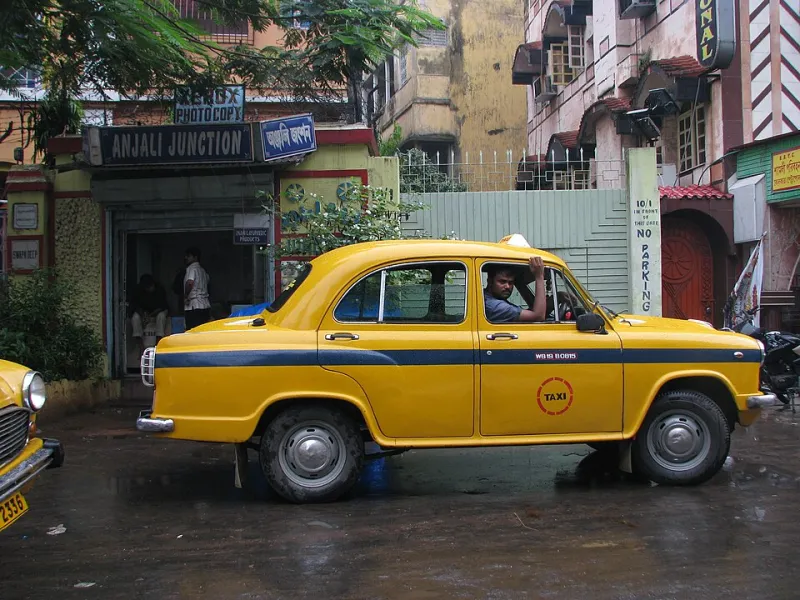
Photo: McKay Savage from London, UK, CC BY 2.0, via Wikimedia Commons
Nobody likes a taxi fare that lands like a plot twist. In Boston, Lincolnshire, most trips are short, sensible and fairly predictable — but the final number on the meter can still raise an eyebrow if you have not thought about timing, luggage or waiting. This guide unpacks how fares usually work in 2026, so you can book with a rough figure in your head rather than a vague hope.
Two kinds of taxi, two ways of paying
Boston has hackney carriages — the cabs you can hail or pick up from a rank, such as at the railway station or around Market Place — and private hire vehicles, which must be booked in advance through an operator. The difference matters for fares. Hackney carriage journeys are normally metered, with fares set within the council's tariff rules. Private hire journeys are usually quoted before you travel, often based on distance, time and the operator's own pricing. If you are booking ahead, ask for a fixed quote and check whether it includes everything. If you are at a rank, expect the meter to do the talking.
What is actually on the meter?
A metered fare is not just distance. It usually starts with a flagfall — the amount showing when you get in — then adds a combination of distance and time. That is why a trip along the A16 at a steady pace can cost less than a shorter crawl through town at school-run o'clock. Traffic, roadworks and busy junctions all cost time, and time is part of the calculation.
Most local tariffs also have bands. A daytime rate applies for standard hours, while evenings, late nights, Sundays and bank holidays can attract a higher rate. The exact switchover times are set out on the tariff card, which should be visible in the cab or available from the driver. If you are travelling at 11pm on a Saturday, do not expect the same figure as a Tuesday morning.
Extras: luggage, waiting and the small print
Extra charges are where fare surprises usually live. Some operators charge for large luggage, such as suitcases or bulky bags, while others include a reasonable amount in the fare. Waiting time can also be added if you keep the cab parked while you fetch something or find your keys. Booking fees, card payment fees or admin charges may apply to private hire trips, depending on the firm.
The sensible move is to ask before you set off: what is included, what is extra, and how the waiting charge works. If you have a pushchair, a big market shop or a bike box, mention it when booking. Assistance dogs and mobility aids should not be treated as optional extras — licensed drivers have duties here — but it is still worth flagging accessibility needs so the right vehicle turns up.
Estimating a journey before you book
You do not need to become a tariff expert to budget. Start with the basics: pickup point, destination, time of day, number of passengers and luggage. Then ask the operator for an all-in price, not just a headline fare. A good question is: 'Is that the total I will pay, including any booking or luggage charges?' For private hire, get the quote by phone or app and keep it.
For a rough mental check, think in tiers. Short hops within town — say from the station to the town centre or from Wide Bargate to a nearby street — should sit at the lower end. Longer runs out to Pilgrim Hospital, Boston West or the edge of town cost more because they involve more distance and time. Late-night journeys, bank holidays and busy weekends sit on a higher tariff. Airport and long-distance runs are usually quoted separately, so treat any online estimate as a guide rather than a promise.
Keeping the fare fair
Check the meter is running when you start a hackney carriage trip, and ask for a receipt at the end. A receipt should show the operator, date and fare, and it is useful if you need to query something later. If you think the fare is wrong, stay calm, pay what is asked under protest if needed, and note the cab number, plate or driver badge. Then contact the operator or Boston Borough Council's licensing team. Most issues are simple misunderstandings, and a clear receipt makes them easier to sort.
Fares in 2026 are not mysterious once you know the ingredients: base rate, distance, time, tariff band and extras. Ask the right questions, book with a buffer for busy periods, and you can climb into a Boston cab knowing roughly what the meter will say.