Queue or Book? Making the Right Taxi Call in Boston
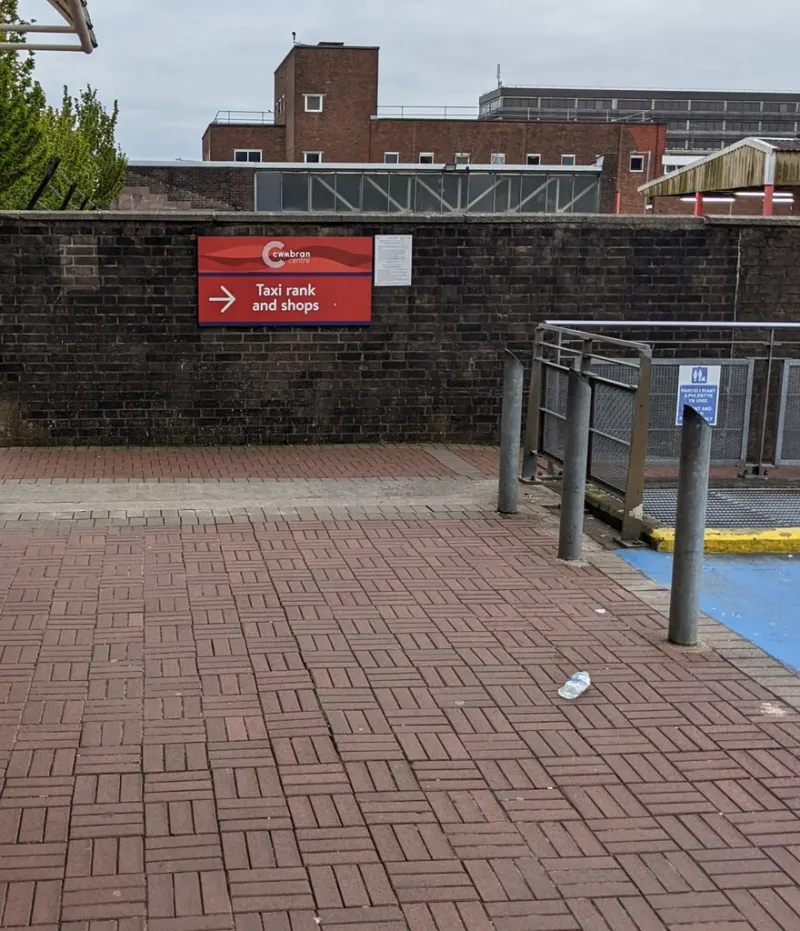
Photo: Jaggery , CC BY-SA 2.0, via Wikimedia Commons
Getting a taxi in Boston, Lincolnshire, usually comes down to one simple question: do you queue at a rank or book ahead? The answer depends on where you are, what time it is and how much certainty you need.
There is no single winner. A rank can be perfect for a quick town centre hop, while a pre-booked cab is often the calmer choice for an early train or a hospital appointment. Here is how to choose without overthinking it.
The rank: handy when the timing is loose
A taxi rank is the simplest option when you have not planned ahead and you are already in town. You turn up, join the queue and take the next available car. For short journeys around the centre, or when you are not in a rush, that can be perfectly fine.
The catch is that ranks depend on supply. At busy times, the queue can be longer than you expect. After a big event, in poor weather or late on a Saturday night, the wait can stretch. If you are on your own or with a group, it helps to have a backup plan rather than assuming a car will appear immediately.
Pre-booking: the calm option
Booking by phone or app gives you a named time and a pickup point. That is valuable for anything time-sensitive: an early train from Boston station, a hospital appointment at Pilgrim Hospital, a flight connection further afield or a Christmas party with a fixed finish.
It also helps if you need a specific type of vehicle. You can ask about wheelchair accessibility, child seats, extra luggage space or a larger car for a group. A rank may have those vehicles in the queue, but it cannot guarantee them at the moment you arrive.
Cost: not always where you think
It is tempting to assume the rank is cheaper because there is no booking step. That is not always true. Fares depend on the tariff, the time of day, the distance and the operator. A pre-booked cab may give you a clearer idea of the likely fare before you travel, especially for longer trips.
Festive periods, late nights and bank holidays can bring higher tariffs. If cost matters, ask the operator what to expect when you book. For groups, the difference between one larger vehicle and two smaller ones can matter more than the rank-versus-booking question.
Three Boston journeys, three answers
For a night out in the town centre, many people take a rank on the way in and pre-book the return. That gives you flexibility early on and certainty when you are tired. If you are leaving at the same time as everyone else, the pre-booked return is the better bet.
For the station, pre-booking is usually the safer choice if your train time is tight. If you have plenty of time and the rank is quiet, you can simply turn up. Just do not rely on that when you need to catch a specific connection.
For hospital trips, book ahead. Appointment times are not flexible, and waiting for a rank car after a consultation is not everyone's idea of a good day. A pre-booked pickup also gives you a clear meeting point at the entrance.
Accessibility and group needs
If you need a wheelchair-accessible vehicle, a child seat or room for a pushchair, say so when booking. Do not assume every car at a rank can meet that need. A pre-booked operator can usually tell you what is available and plan accordingly.
For groups, booking one larger vehicle is often simpler than splitting into separate cars at a rank. It keeps the fare and the meeting point in one place. Just be honest about passenger numbers when you book.
Reliability and the backup plan
A rank is only as reliable as the number of cars nearby. A pre-booking is only as reliable as the operator, so confirm the details and keep the contact number handy. If your plans change, let them know as early as you can.
Whichever option you choose, have a fallback. Save a local taxi number, check the last train if you are using public transport, and agree a meeting point with your group. That is not pessimism; it is just how to make a night out or an appointment run smoothly.
A simple decision guide
- Use a rank when you are in town, the wait looks short and you are not on a tight schedule.
- Pre-book when you need a fixed time, a specific vehicle or a pickup at the station or hospital.
- Pre-book the return leg of a night out, especially at weekends and during December.
- Ask about fares, card payments and accessibility before you travel if those things matter to you.
- Keep a backup number and a plan B for busy periods.
Final thought
In Boston, the smartest approach is usually a mix of both. Use the rank when it suits you and book ahead when certainty matters. That way you get the convenience of a local taxi without leaving the important journeys to chance.